Dreaming Cake Font for Web Design
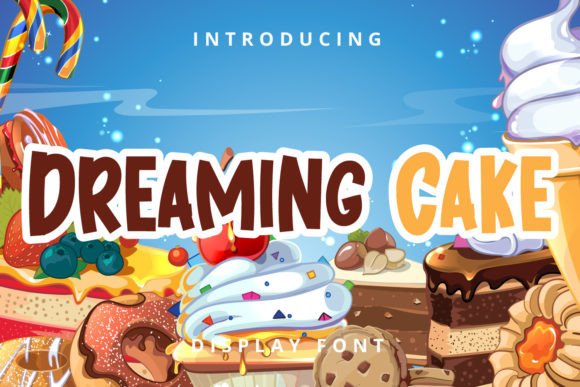
Dreaming Cake is a display font that brings a sense of playfulness and vibrancy to digital design. With its cute, bright, and fun character, it's an excellent choice for projects that require a youthful tone or a whimsical visual identity. As a web designer, I've found that this typeface works particularly well in environments where creativity and engagement are key.
The font’s personality shines through its rounded edges and soft curves, making it visually appealing and approachable. It has a modern yet nostalgic feel, which makes it suitable for children-themed designs, branding for creative businesses, and any project that wants to convey warmth and positivity.
Using Dreaming Cake in Website Headers and Hero Sections
Incorporating Dreaming Cake into website headers and hero sections can instantly elevate the visual appeal of a landing page. Its bold and expressive style draws attention, making it ideal for headlines that need to stand out. Whether you're designing a product landing page or a blog header, this font helps establish a strong first impression.
For example, on a boutique online store selling children’s toys, using Dreaming Cake as the primary heading font creates an inviting atmosphere. Paired with pastel colors and playful illustrations, it reinforces the brand’s target audience while maintaining readability.
Applying Dreaming Cake for Call-to-Action Areas
Call-to-action (CTA) buttons and sections benefit from a font that commands attention without overwhelming the user. Dreaming Cake’s legibility at smaller sizes makes it a good fit for CTA areas. When used in conjunction with contrasting colors, it ensures that users can easily identify interactive elements on a page.
I’ve tested this font on mobile screens, and it performs well even at reduced sizes. However, it's important to ensure sufficient spacing between letters to maintain clarity, especially when used on dark backgrounds or image overlays.
Visual Hierarchy and Brand Tone
A key aspect of effective web design is establishing a clear visual hierarchy. Dreaming Cake contributes to this by acting as a strong anchor point in layouts. It can be used for section headings, subheadings, or decorative accents depending on the context.
When building a brand identity, consistency is crucial. Using Dreaming Cake across different pages of a website helps maintain a cohesive look and feel. For instance, a coaching website targeting young professionals might use this font in headers and banners to create a friendly yet professional tone.
It’s also worth considering how Dreaming Cake pairs with other fonts. A common practice is to combine a decorative display font like Dreaming Cake with a clean sans serif font for body copy. This contrast enhances readability while keeping the design visually balanced.
Readability and Responsive Design
While Dreaming Cake is primarily a display font, it’s essential to evaluate its performance in different contexts. For short phrases, logos, or decorative text, it excels. However, for longer blocks of text, it's best to use a more readable font such as a sans serif or serif typeface.
On responsive websites, ensuring that Dreaming Cake scales properly across devices is critical. Testing it on various screen sizes helps avoid issues with letter spacing and overall legibility. Additionally, using it on light backgrounds with high contrast improves readability, especially for users with visual impairments.
Practical Applications and Examples
Dreaming Cake is versatile enough to be used in multiple design scenarios. Here are a few practical examples:
- Creative Portfolio Sites: Use it for project titles and section headers to add a personal touch.
- Online Stores: Apply it to promotional banners or product highlights to attract attention.
- Course Sales Pages: Incorporate it into headers and call-out boxes to create an engaging learning environment.
- Social Media Graphics: Pair it with vibrant colors for eye-catching posts and advertisements.
When designing a digital brand kit, including Dreaming Cake as part of the typography system ensures that all brand assets remain consistent. It can be used in logo designs, marketing materials, and even packaging concepts if the brand extends beyond the digital space.
Commercial Licensing and File Formats
Before implementing Dreaming Cake on a live website or client project, it's important to check the licensing terms. Many premium fonts require commercial licenses for use on websites, landing pages, or digital products. Ensuring that the font comes with webfont support is also crucial for seamless integration into CSS files.
Additionally, verifying available file formats such as WOFF, WOFF2, and TTF ensures compatibility with different browsers and platforms. Including alternate glyphs or weights may provide more flexibility in design choices, but not all fonts offer these variations.
As a designer, I always recommend reviewing the font’s multilingual support if the project involves non-English content. This ensures that characters render correctly across different languages and regions.
Overall, Dreaming Cake is a valuable addition to any designer’s toolkit. Its unique charm and versatility make it suitable for a wide range of digital applications. By understanding its strengths and limitations, designers can effectively leverage it to enhance both aesthetics and usability in their web projects.